Media: Lianhe Zaobao
In recent technology-focused events and corporate consultations, many companies have been voiccing significant challenges regarding office utilization and the presence of colleagues in the office. Some tech development companies, for instance, have large offices capable of accommodating several hundred people but consistently have only handful colleagues present. The rest either got trenched, resigned or opted for remote work from their home countries, avoiding returning to Singapore as much as possible. Similarly, some brand agencies have senior colleagues who rarely come to the office, while newer hires, despite contractual obligations to be in the office five days a week, seldom adhere to this requirement. This situation is a common difficulty faced by both small and multinational companies with a limited presence in Singapore. However, industries closely connected to the government, service-oriented sectors, and regulated fields like finance tend to face fewer such issues.
One might wonder why not simply hire new employees to replace those who refuse to be present in the office? The problem lies in the widespread reluctance to work in the office long-term, even among mid-level managers who fail to set an example. Additionally, many companies rely on foreign labor to meet their quota, so firing one local employee doesn't necessarily translate to hiring another. This could lead to warnings from the governmental body, leaving companies feeling somewhat helpless.
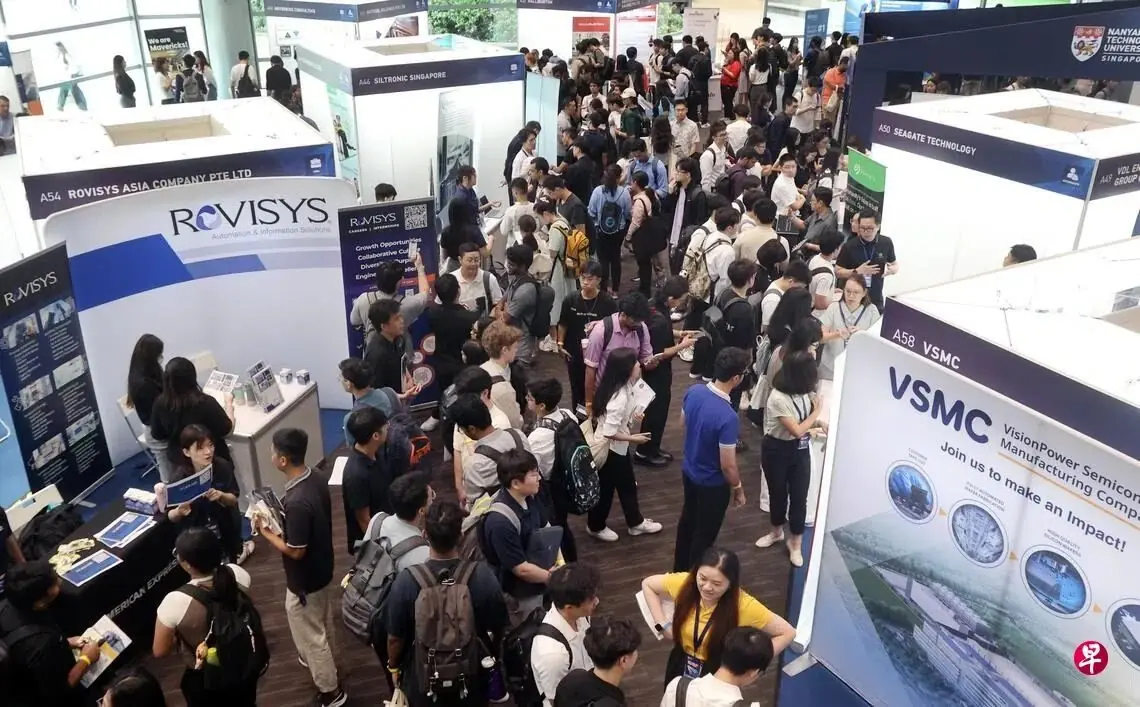
On the job market front, there are several intriguing phenomena. Job vacancies in Singapore have reached record highs, particularly in sectors such as information technology, finance, professional services, healthcare, and social services. However, there is also a continuous trend of layoffs, resulting in a gradual increase in unemployment numbers.
Moreover, there's a growing sentiment among locals, expressed on platforms like Reddit, that a 44-hour workweek is too intense, leading to existential doubts due to the "work hard, play hard" culture prevalent in Singapore. Meanwhile, comments from netizens suggest that working 60 to 70 hours a week while studying is becoming the new norm, sparking debates and becoming a hot topic in the news.
Considering the new post-pandemic normal in Singaporean workplaces, three observations significantly impact local business operations:
Observation One: Extended Working Hours
Especially for local white-collar parents, the day typically starts at 6 a.m. They send their children to school before 7:30 a.m. Many of these parents handle some work-related matters on their phones during this time and then drop their children off at school. They often have breakfast around 8 or 9 a.m., pick their children up from school around 4 or 5 p.m., and balance family and work intermittently until late at night, often going to bed around 11 or 12. It's common for them to receive work emails from 6 a.m. to 11 p.m. This represents a significant extension of office hours compared to the past. However, the question remains: does the extended work hours translate to increased productivity?
Foreign employees working under these extended hours naturally have opinions, but due to work pass restrictions, they tend to remain silent.
Observation Two: More White-collar Employees Working from Home or Abroad
Working from home post-pandemic has become a global norm, and Singapore is no exception. Initially, many companies hoped to gradually encourage or mandate employees to work in the office for one to two days a week, shifting to three to four days at home. However, over the past two years, this has been challenging to implement in industries other than banking and traditional small companies. Even local executives resist daily long commutes due to family and work-life balance concerns, creating further resistance.
Moreover, there's a growing trend where many white-collar workers fly out on Thursday evenings or Fridays for long weekends in Southeast Asian countries like Thailand, Vietnam, or the Philippines, returning to Singapore late Sunday night. Additionally, more people spend their Fridays, Saturdays, and Sundays in nearby Johor, Malaysia, enjoying food, massages, and taking advantage of the favorable exchange rate for a relatively high-quality experience. They claim to be working from home on Mondays and Fridays (or resting?), while in reality, they might be having sound meetings on the beach, only returning to the office on Tuesdays, Wednesdays, and Thursdays.
Observation Three: Foreign Workers Face Greater Challenges in Work and Life
Locals receive (big as peanuts) subsidies for their cost of living, but due to measures protecting local employment, companies are required to hire a certain percentage of locals before hiring foreign workers. Consequently, local job security is relatively stable, while foreign workers must work harder to secure their jobs and enable themselves and their families to stay in Singapore. This often leads to an unequal distribution of workload and demands on foreign workers, creating a unique workplace landscape.
Many foreigners who came to Singapore before the pandemic have not returned, and those who arrived afterward often face challenges due to high rents, expensive international school fees, and rising living costs. Unlike pre-pandemic times, companies are less likely to subsidize expenses such as kids education, transportation, rent, and phone bills for foreign employees. After two to three years, many realize that despite the low income tax, they have little left after deducting expenses. Consequently, migration and relocation service companies report a higher number of foreigners moving back to their home countries, resulting in a high turnover rate and operational challenges for businesses.
The significant and rapid changes in the workplace, coupled with discrepancies in expectations and living costs, exacerbate labor-capital contradictions, posing challenges to corporate governance.
Talk to us to solve your digital challenges.
#Singapore #Workfromhome #WFH #Expats #Workinghours #worklifebalance #HR #policy #employment #employmentopportunity #office #workingculture #workingopportunity #jobopportunites #livingcost