Media: 联合早报 聯合早報 Lianhe Zaobao
AI Is Killing Entry-Level Jobs: The Graduate's Guide to the New Fractional Economy
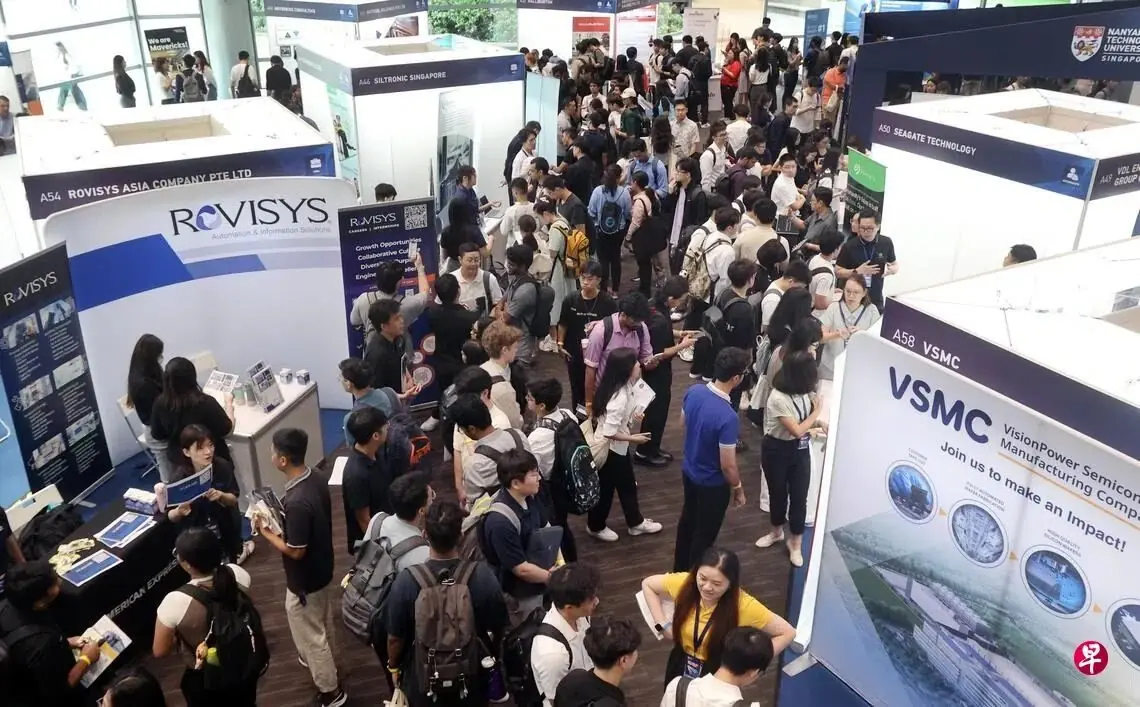
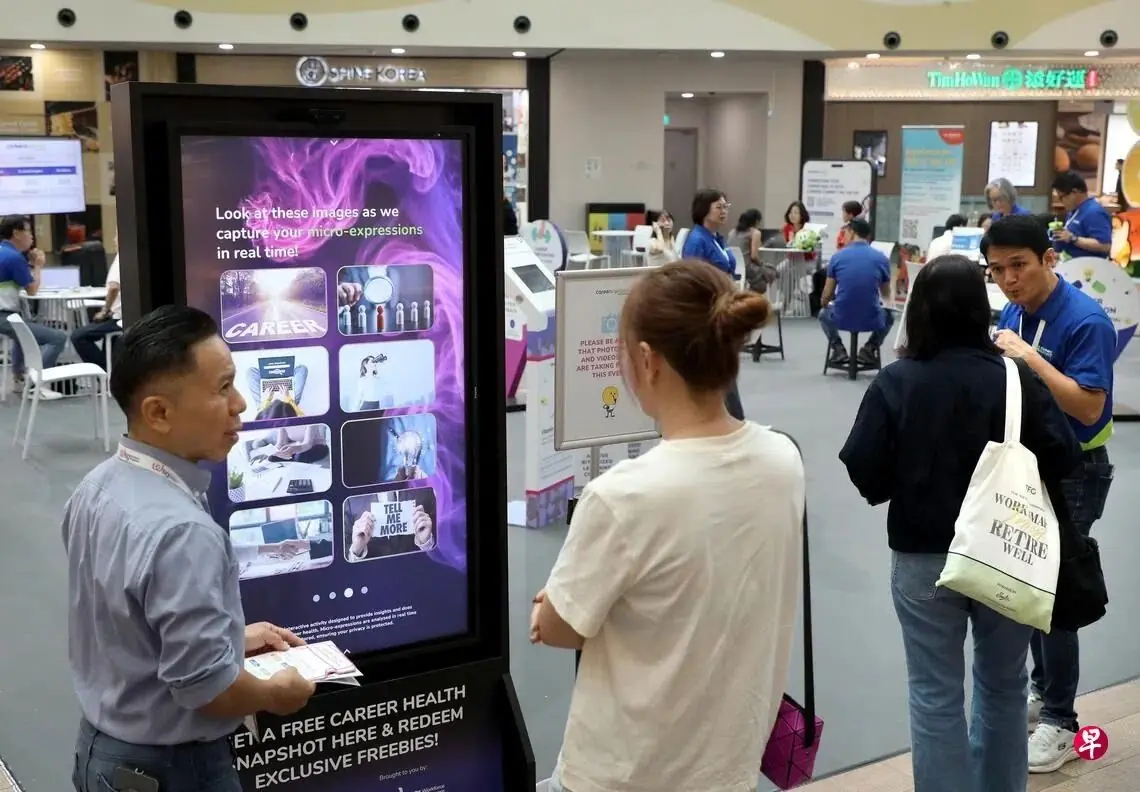
The age of AI has fundamentally reshaped the starting line for recent graduates. We are seeing a contraction in entry-level positions across the market, while competition intensifies. Simultaneously, even in the seemingly saturated mid-to-high-level talent pool, a significant skills gap persists. This is not a simple supply-and-demand issue; it’s a structural imbalance among the market, corporations, the education system, and technological change. Companies are no longer seeking 'entry-level employees' with single, siloed functions. They are looking for professionals who understand the tools, embrace volatility, and possess crucial cross-disciplinary capabilities. The shock to graduates is real, but the opportunities are equally clear.
The Initial Shockwave: The First Three Years
The demographic feeling this structural shift most acutely are young professionals with less than three years of experience. They are simultaneously trying to navigate the fundamental logic of the business world, prove their value during tightening economic cycles, and master an ever-expanding array of AI tools to accelerate output, verify data, and boost efficiency. Caught between the incomplete assimilation of traditional models and the rapid arrival of new paradigms, many young staff members find themselves disoriented, restructured, or even laid off.
The Academy’s Disconnect
The situation on university campuses is equally challenging. Students are tasked with balancing core academics, developing leadership, gaining extracurricular experience, and now, attending an increasing number of supplemental GenAI courses mandated by student affairs offices. While individual colleges mold students differently:
- Business students excel at articulation and strategic conceptualization, yet they often face a harsh reality gap between theoretical gloss and the gravitas of actual work during internships or part-time roles.
- STEM students are technically brilliant but struggle to translate their expertise into language that can persuade or align with commercial departments.
The result is that we are cultivating more "specialists" but failing to produce "generalists." Yet, the talent corporations most desperately seek right now is the all-rounder who can effortlessly bridge technology, business acumen, and communication.
It’s no surprise that Palantir CEO Alex Karp controversially stated he prefers hiring high school students over university graduates—because high schoolers are less institutionalized, more willing to experiment, tool-savvy, faster, and more agile in mindset. This sentiment, though provocative, hits a critical nerve: the pace of higher education has become fundamentally misaligned with the speed of market demand.
The University’s Good Intentions, But Late Response
Many universities are actively launching initiatives like Startup Training Programs, teaching students team formation, how to pair business and technology, need discovery, prototyping, and how to apply design thinking and agile methodologies. While well-intentioned, this training often arrives too late, is too intensive, and feels overly pressurized. It is difficult to truly reverse the tide within the constraints of the existing system.
When I spoke at the APAC - Dubai Digital Xchange 2025, I was asked: "How should universities position themselves now?" My response was that this is not solely an institutional problem; it is a society-wide structural transformation. For years, the proliferation and expansion of universities—driven by budget and influence—have inadvertently crowded out space for technical colleges and applied vocational education (this is particularly acute in places like Hong Kong, though a common trend, thankfully less so in Singapore which maintains a better balance between technical and academic tracks).
At its core, a university is meant to be a cradle for philosophical inquiry and research, not a job training center. However, in the commercial world—whether in marketing, auditing, finance, supply chain, or operations—processes that relied heavily on manual labor are being steadily superseded by AI, leading to corporate "restructuring." On the surface, it’s reorganization; in practice, it’s an elimination of redundancy—slowly retiring roles that fail to create differentiated value.
The Way Out: The Rise of the Fractional Co-existence
So, where is the path forward?
As corporations streamline, a significant number of seasoned mid-to-high-level managers are transitioning into Fractional roles. Instead of being tied to a single entity, they serve as a Fractional CMO, Fractional CFO, or Fractional CIO, simultaneously supporting multiple small and medium-sized enterprises. This flexible model maintains income while bypassing corporate red tape, making it an attractive choice for skilled executives.
Crucially, this group of Fractional specialists has a unique demand: they are weary of tedious procedures but urgently require a helping hand for data gathering, content drafting, data organization, and basic AI validation.
Where will they look for an Apprentice or Intern? The answer is clear: university students.
This new cooperative model is no longer the old "experience for exposure" internship; it is a generational complement. The deeply experienced former executive, who wants freedom from corporate structure, collaborates with the emerging generation, who is eager to learn new tools and is still exploring.
Students no longer need to fret over squeezing into shrinking corporate entry points; instead, they build tangible skills from real-world, live commercial operations. In turn, Fractional experts find reliable, low-cost assistance to mitigate their workload.
To some extent, this is the career model of the future in the age of AI: not a fixed track leading to a single destination, but a flexible growth trajectory composed of successive collaborations, iterations, and cross-disciplinary experiences.
Talk to us to solve your digital challenges.
#AI #Recruitment #Unemployment #Graduates #Fractional #Students #Aartificialintelligence #AI #AgenticAI #AIWorkflow #Tech #FutureOfWork #AIImpact #CareerShift #FractionalEconomy #SkillsGap #GenerationalTalent