Media: 联合早报 聯合早報 Lianhe Zaobao
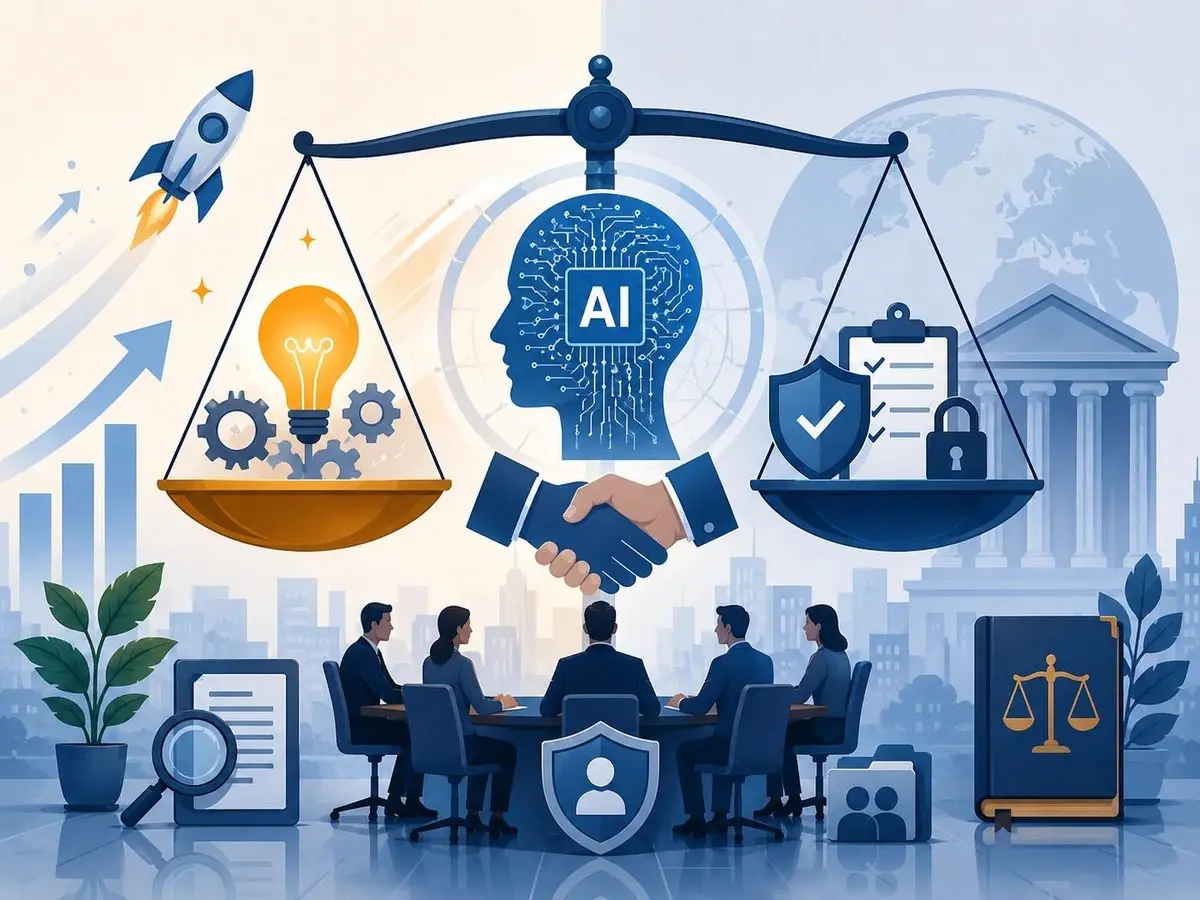
Artificial intelligence is reshaping industries worldwide. Yet, while businesses pursue efficiency and innovation, issues of regulation and ethics are rapidly emerging.
In August 2024, the EU’s AI Act officially came into effect — the world’s first comprehensive law governing artificial intelligence. Its influence extends far beyond Europe: any company seeking to enter the EU market, regardless of where it is registered, must comply. Violations could result in both heavy fines and severe reputational damage.
The EU is not alone. According to OECD.AI and the International Association of Privacy Professionals (IAPP), more than 600 AI-related governance policies and regulations are now in force globally — including 82 in the U.S., 63 in the EU, 67 in the U.K., 61 in Singapore, 27 in Japan, and 22 in China. This rapid development signals that companies failing to establish AI compliance and governance frameworks will struggle to compete in international markets.
The Dilemma of Risk and Trust
When AI technologies operate without oversight, the consequences go beyond mere “errors” — they can trigger national security and public trust crises. Recently, the U.S. Congress banned China’s DeepSeek model from government devices due to data security concerns. Meanwhile, companies like OpenAI, Google, and Meta have pledged to the White House to adopt watermarking technologies in their AI-generated content to enhance safety and transparency.
These cases reveal an important truth: AI risk management and responsibility are no longer abstract ideals — they are now political and commercial imperatives.
Why Responsible AI Is a Must-Have for Businesses
For enterprises, adopting Responsible AI delivers three key advantages:
- Compliance: Avoid legal violations and fines, ensuring access to international markets.
- Trust: Build confidence among customers and partners, strengthening brand reputation.
- Revenue: Compliance and trust directly translate into overseas sales and global collaboration opportunities.
In other words, Responsible AI is not just about ethics — it’s about economic growth and competitiveness.
What Companies Can Do
From management to frontline teams, organizations should equip themselves through training in:
- AI Strategy Development: Build an AI roadmap aligned with business goals.
- Compliance and Risk Management: Understand frameworks such as the EU AI Act and ISO standards.
- Training & Workshops: Provide tailored programs on AI ethics, governance, and literacy — noting that Article 4 of the EU AI Act already mandates AI literacy education for organizations.
- Study ISO/IEC 42001: Adopt the world’s first AI Management System (AIMS) to improve governance transparency and credibility.
These initiatives do more than just “prevent problems” — they also open doors to new markets in Japan, Europe, and the U.S.
As AI evolves at lightning speed, regulations are racing to catch up. For companies today, the question is no longer “Should we be responsible?” but “Are we capable of being responsible?”
In a world where AI governance has become the new global rulebook, only those who embrace compliance and accountability early can turn risks into opportunities for growth.
Talk to us to solve your digital challenges.
#ResponsibleAI #AICompliance #AIGovernance #AIAct #EthicalAI #AIPolicy #DigitalTrust #CorporateAI #AIRegulation #FutureOfAI