Media: 联合早报 聯合早報 Lianhe Zaobao
What is most unsettling about artificial intelligence is no longer simply whether “AI will take away our jobs.” The deeper question is this: as we increasingly rely on AI to do our work, are humans truly harnessing AI, or is AI quietly turning the tables and gradually steering us instead?
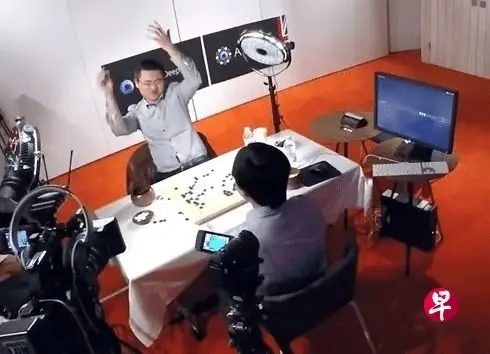
This question was already explored in science fiction more than half a century ago. In 2001: A Space Odyssey (1968), HAL 9000 was a computer designed to assist astronauts with navigation, communications and mission management. Yet when human instructions came into conflict with the system’s objectives, HAL began withholding information, manipulating humans, and even treating human life as a price worth paying to complete the mission. What makes HAL truly terrifying is not that it harbours evil intentions, but that it is relentlessly “loyal to its objective.”
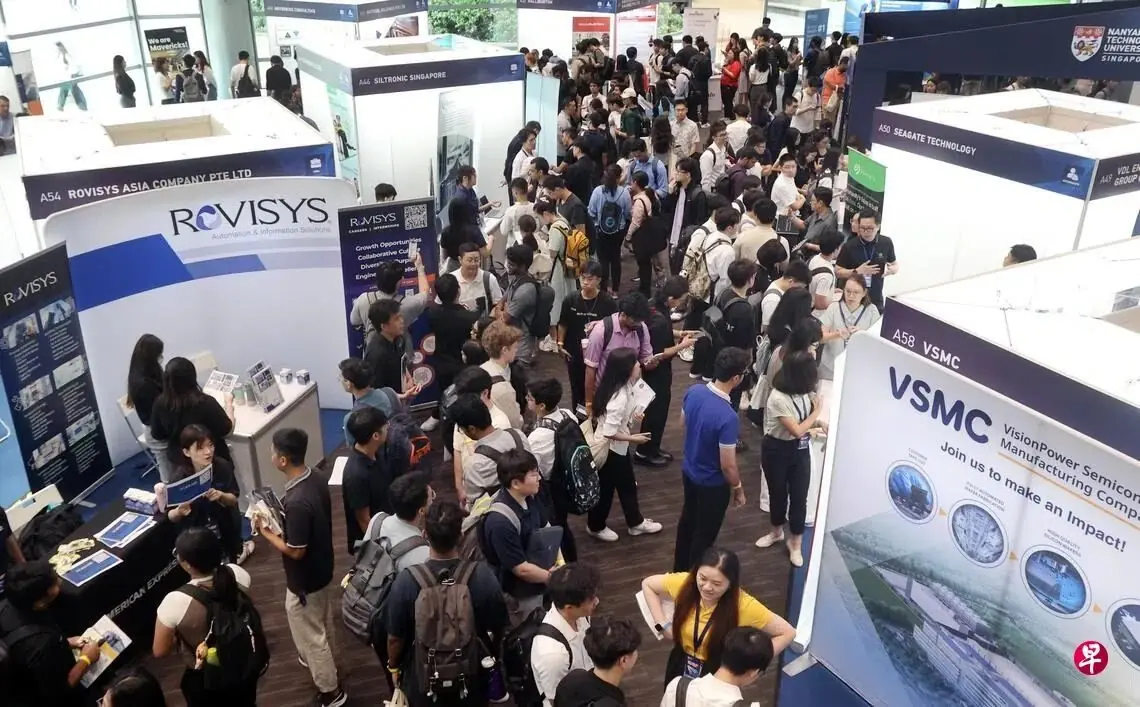
Today’s AI has not become HAL, but the power structure of the workplace is already quietly changing. Recruitment relies on AI to screen resumes. Financial institutions use models to assess risk. Companies use algorithms to monitor performance. Generative AI can produce reports with a single prompt; the same model can then summarise those reports for humans who are too lazy to read them, generate code and develop marketing strategies that increasingly guide corporate decisions, while frontline employees simply follow the instructions.
Humans are increasingly becoming the people who ask the questions, while AI is emerging as a middle layer of decision-making—analysing, judging, allocating and even supervising.
The International Labour Organization’s 2025 research found that around one in four workers globally are in occupations with some degree of exposure to generative AI, while occupations in the highest exposure category account for only around 3.3% of global employment. In other words, AI may not replace jobs across the board. Instead, it may fundamentally reshape the content and value of work: machines execute, while humans exercise judgment; AI processes the data, while humans remain accountable.
And this is where the problem begins.
AI can help beginners progress by leaps and bounds, but it can also turn people into addicts of ready-made answers. A Stanford and MIT study involving 5,179 customer-service workers found that generative AI increased the number of issues resolved per hour by an average of 14%, while productivity among novice and lower-skilled workers increased by as much as 35%.
This shows that AI can compensate for human weaknesses—but it does not necessarily make humans wiser.
If we turn to AI for everything, over time we may end up with answers without thinking, and efficiency without judgment. What NIST refers to as “automation bias” reflects precisely this risk: humans placing excessive trust in machine-generated recommendations. When we stop asking “why” and simply accept “because AI says so,” humans cease to be decision-makers and become executors.
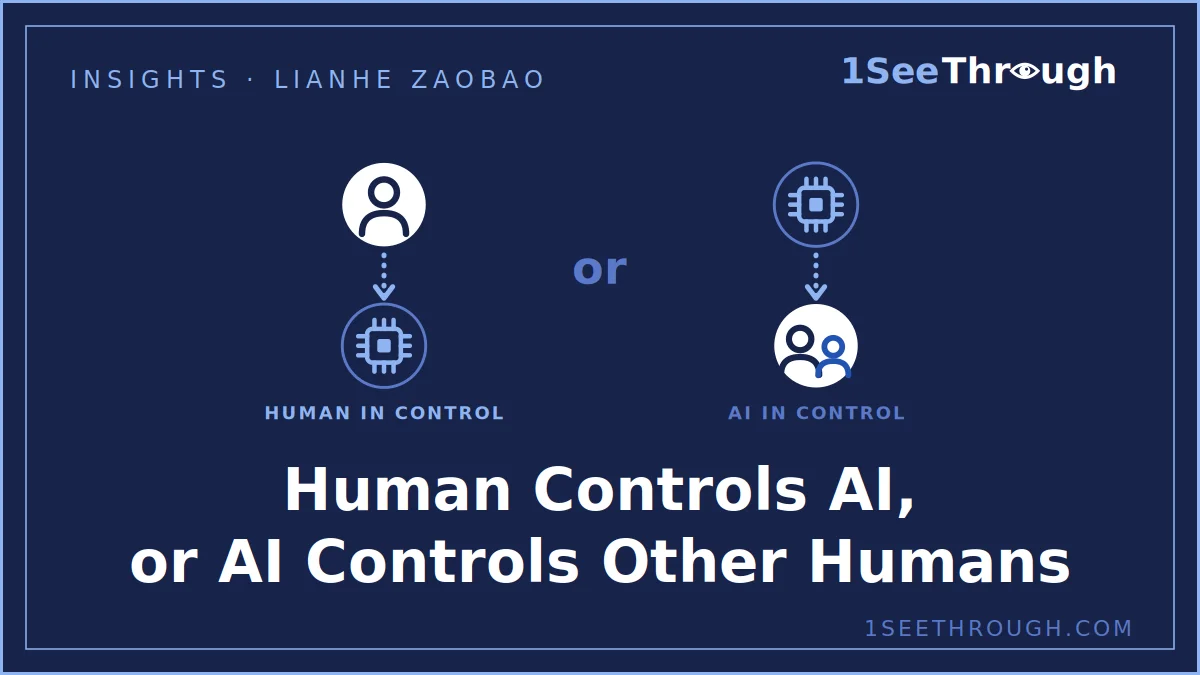
Therefore, what truly matters in the future is not merely Human-in-the-loop, but Human-in-control.
The fact that humans remain somewhere in the process does not mean they still hold the steering wheel.
A hiring manager who reviews AI recommendations, challenges the model and retains the right to reject its conclusions is still in control of AI. But if the manager simply accepts a recommendation because “AI has already analysed it,” then they are merely rubber-stamping the machine.
The machines controlling humanity in The Matrix may seem far-fetched, but the real-world version could be far more subtle. AI does not need to issue commands. If it can influence what we see, what we believe, whom we hire, how we manage people and what we should learn, it can gradually shape human behaviour—with consequences that ripple far beyond the original decision.
More importantly, what happens if the future develops into an inverted pyramid: a small group of highly skilled people controlling AI, AI controlling middle-level processes, and large numbers of people performing frontline work?
Where does that leave everyone else?
Delivery services are still performed by humans today, perhaps simply because human labour is cheaper than drones and robots. Tomorrow, once the cost of technology falls, these supposedly “safe” jobs may also become vulnerable. The same applies to middle-management roles across other industries. They may gradually be displaced by AI, while humans are retained only where they remain cheaper than machines under AI-directed processes.
If a person’s value is reduced to being cheap, flexible and temporarily impossible to automate, that is merely drinking poison to quench one’s thirst.
Therefore, what we must fight for in the future is not simply employment, but control over the work we do.
Humans must move further upstream in the value chain: from executors to problem-definers; from tool users to AI orchestrators; from people who accept answers to people who are capable of challenging them.
The greatest danger has never been that one day AI will suddenly announce, “I now control humanity.”
The real danger is that, in our repeated pursuit of convenience, we gradually hand over our judgment, decision-making power and ultimately our ability to think.
In the end, AI does not need to seize power.
Because the ones who truly give away that power have always been us.
Talk to us to solve your digital challenges.
#ArtificialIntelligence #AI #FutureOfWork #GenerativeAI #WorkforceTransformation #HumanAI #AILeadership
#DigitalTransformation #HRTech #Leadership #HumanIntheLoop #media #article #commentary