Media: 联合早报 聯合早報 Lianhe Zaobao
Oxford Dictionary Selects "Brain Rot" as Word of the Year: A Warning on Digital Content Consumption
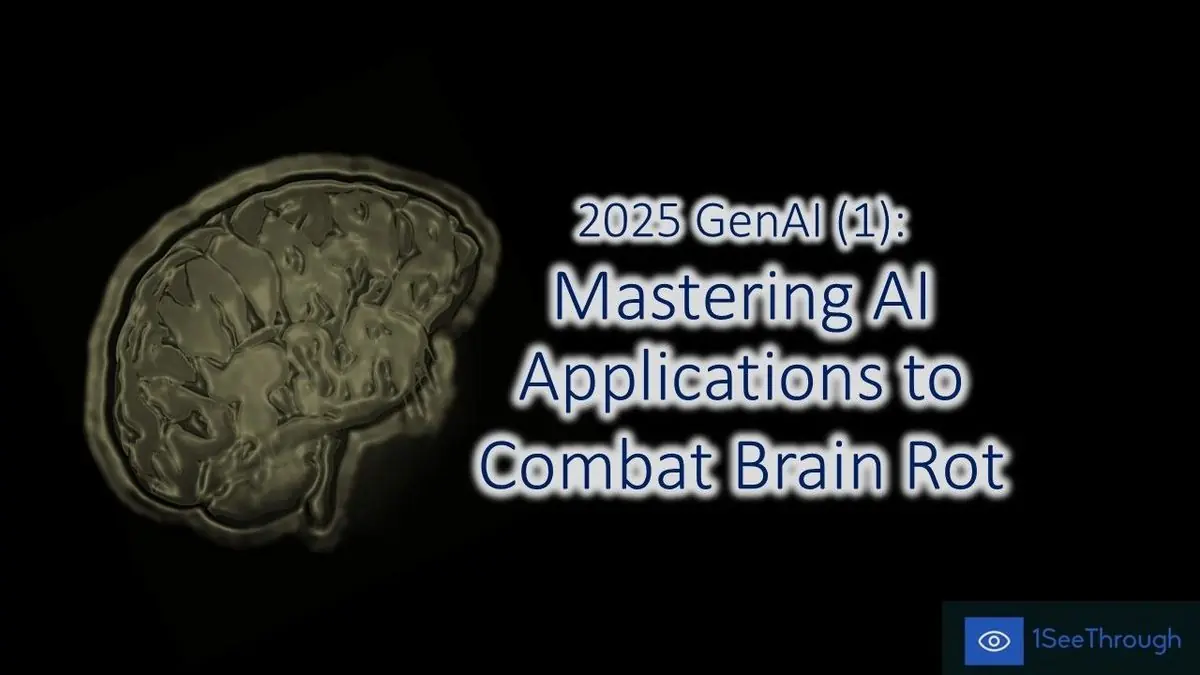
In 2024, the Oxford Dictionary named "brain rot" as the Word of the Year, referring to the erosion of human cognitive abilities due to low-quality online content. The widespread use of this term highlights a growing concern in modern society: excessive exposure to fragmented and meaningless digital content is gradually diminishing our attention spans, creativity, and even mental health.
The term "brain rot" first appeared in Henry David Thoreau’s 1854 work Walden, where it described a decline in intellectual capacity. In contemporary usage, it refers to the psychological and cognitive deterioration caused by excessive consumption of short videos, simplified media, and low-quality AI-generated content. Oxford Dictionary defines it as "the symptoms of mental or intellectual decline due to prolonged exposure to trivial and unchallenging content."
Scientific research indicates that excessive smartphone use and short-video consumption trigger dopamine release in the brain, creating momentary pleasure. However, this stimulation reinforces behavior through positive reinforcement, leading individuals to continuously seek similar gratification, ultimately resulting in a vicious cycle.
Psychological Impact: Anxiety, Depression, and Cognitive Decline
Psychologist Dr. Julia Kogan explains that many individuals indulge in "brain rot" content as a means of escaping real-life anxiety and stress. However, this habit does not resolve underlying issues; rather, it exacerbates anxiety and depression. Additionally, prolonged exposure to fragmented content may increase cortisol levels, negatively impacting mental and physical health. The consequences include:
- Shortened attention spans, making long-form reading or deep thinking difficult
- A lack of creativity and motivation in daily life
- Persistent feelings of anxiety or depression without clear cause
- An uncontrollable urge to scroll through social media, even when content is repetitive
- Difficulty engaging in meaningful conversations or deep discussions
- Declining sleep quality, leading to fatigue even after rest
AI’s Dual Role: A Source of "Brain Rot" or a Tool for Growth?
Ironically, the catalyst for brain rot is none other than one of the fastest-growing technologies in recent years—Generative AI (GenAI). The rise of AI has made the production of fragmented content easier than ever. Platforms like TikTok and Instagram are flooded with AI-generated short videos, driven by sophisticated algorithms designed to maximize user engagement. These videos often feature mechanically generated text, unverified information, and synthetic audio-visual elements—essentially digital "junk food" designed to numb the brain. Content creators leveraging mass-produced AI videos profit from platform revenue sharing, much like drug cartels producing addictive substances. In this analogy, AI-assisted short-video creators are the digital equivalent of drug manufacturers, hooking billions into the cycle of brain rot.
However, AI is not inherently a creator of brain rot; it is also a tool that can revolutionize how we live and work. Leading tech investment firms have compiled dozens of GenAI tools—ranging from search engines like Perplexity and content creation platforms like Midjourney to job-seeking and learning resources such as JobsTaylor and workflow automation applications like Granola—demonstrating how AI can enhance productivity when used effectively.
Integrating AI with Human Intelligence (HI)
Humans drive AI. To fully harness AI’s capabilities, we must first cultivate human intelligence (HI).
Artificial intelligence excels at automation, data analysis, and predictive modeling, but it lacks human qualities such as emotion, intuition, and creativity. While AI can generate impressive content, it often falls short in depth and nuance derived from human experience. According to the Human Intelligence: The Future of Creative Innovation in the Age of AI report by Thribe and Asia AI Association, HI plays a crucial role in creative fields by filling these gaps:
- Empathy and Emotional Intelligence – Humans can deeply understand and connect with others on an emotional level. While AI processes data, it cannot replicate complex emotional expression, which is essential for compelling storytelling, character development, and design.
- Holistic Perspective – Human intelligence is more important than ever in understanding broader contexts and integrating knowledge across disciplines.
- Intuitive Thinking – Human insight drives unexpected creative breakthroughs and cultural sensitivity, areas where AI struggles.
- Intrinsic Creativity – The ability to share and interpret emotions is fundamental to creating meaningful, impactful work.
- Deep Connections in a Digital World – In a technology-driven era, human connections remain vital. HI enables us to build relationships, empathize, and craft meaningful experiences.
- Unlocking Human Potential – Personal experience and observational knowledge bring authenticity and depth to creative endeavors.
- Aligning Technology with Human Values – While AI is bound by programming and data, humans can navigate ethical dilemmas and ensure AI serves meaningful and morally sound objectives.
HI serves as the driving force behind strategic insights, creative originality, and emotional intelligence—making it the ideal complement to AI. In a technology-driven world, human leadership remains essential in creative direction, strategic problem-solving, cultural resonance, and digital experience design. HI empowers businesses to adapt to rapid market shifts, decode evolving consumer trends, and develop proprietary intellectual property.
The Future: Guiding AI with Human Wisdom
How should human intelligence integrate with and govern AI? The key lies in self-awareness, empathy, adaptability, holistic thinking, intuition, mindfulness, connectivity, purpose-driven action, and compassion. As noted by Asia AI Association Clarity Mentor and Lean Strategist Lin Tar KUAN, maximizing HI requires a focus on three core elements: human creativity, emotional intelligence, and compassion-driven innovation. When combined with GenAI tools, this approach allows individuals to enhance efficiency, freeing up time for creative and strategic tasks.
Rather than succumbing to the pitfalls of brain rot, we must leverage AI as an enabler—driving human progress, deepening intellectual engagement, and fostering meaningful innovation.
Talk to us to solve your digital challenges.
#GenAI #BrainRot #AIApplications #HumanIntelligence #DigitalWellness #AIandCreativity #MentalHealth #TechTrends #2025 #AsiaAIAssociation #JobsTaylor